Hand Stands – Strength/Balance Training

Handstands are a staple of First Martial Arts warm ups. In these images some members of the Beechboro children’s class can be seen executing their handstands.

Handstands promote increased strength, balance & coordination. These are all important ingredients in producing physically competent martial artists.

Outdoor Training

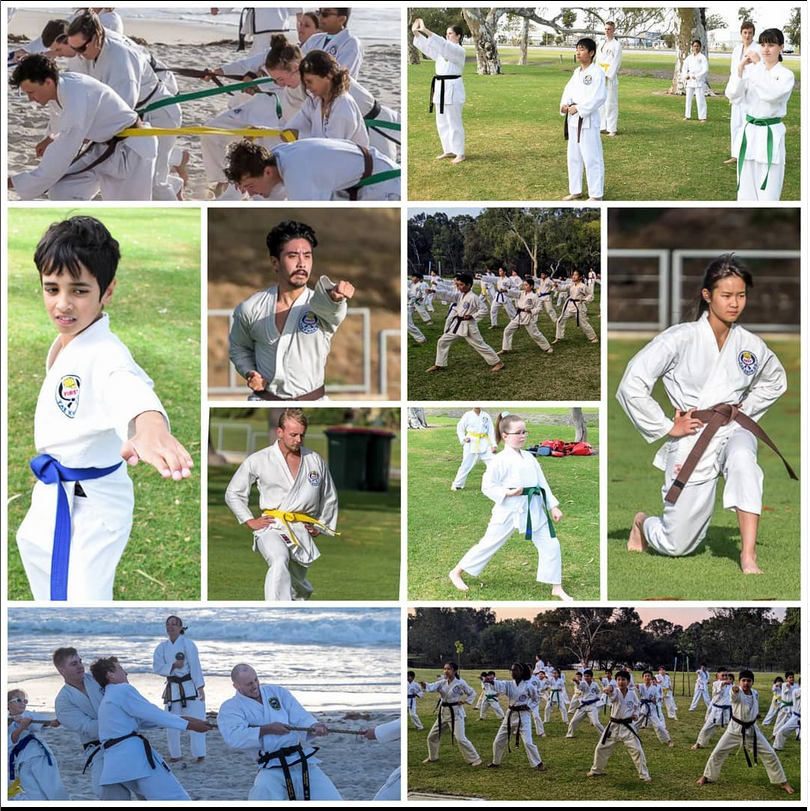
As the warmer weather begins to be more prevalent here in WA, some of our First Martial Arts training centres will start to take advantage of the opportunity to train outdoors.

Training on different surfaces, such as grass and sand, provide a new dimension to our training – when there is more give in the training surface, students’ balance, timing and coordination is tested.

First Martial Arts WA Instructors like to challenge their students to step outside their regular training environment (the sturdy Dojang floors) to train in different conditions – as we understand that well-versed martial artists adapt to the situation.

Patterns/Hyungs

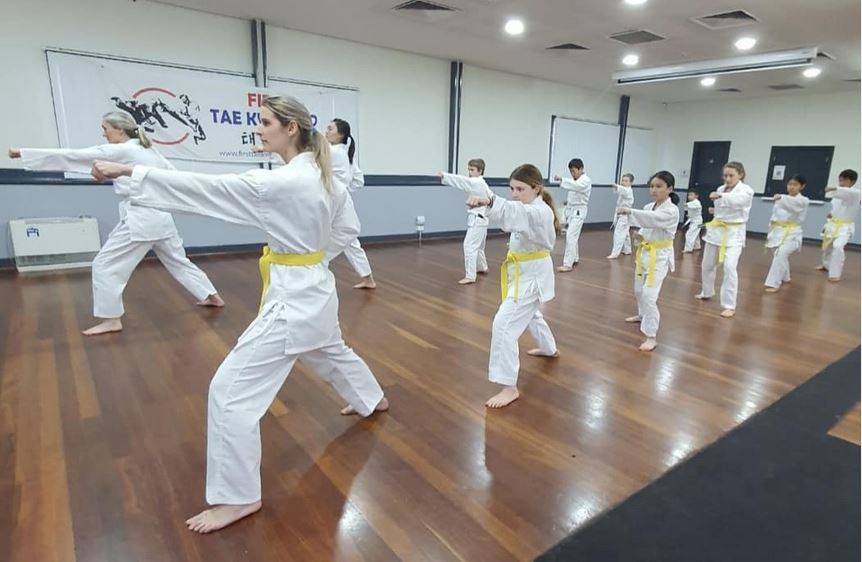
Each First Martial Arts rank or belt has a traditional TaeKwonDo (Chang Hon) pattern to be learnt – all of which increase in complexity, develop technique and increase in length. Taekwondo patterns  (Hyungs) are a sequence of standardized movements that students utilise in order to exercise “offensive” and “defensive” techniques without a training partner.

Exercise for the mind

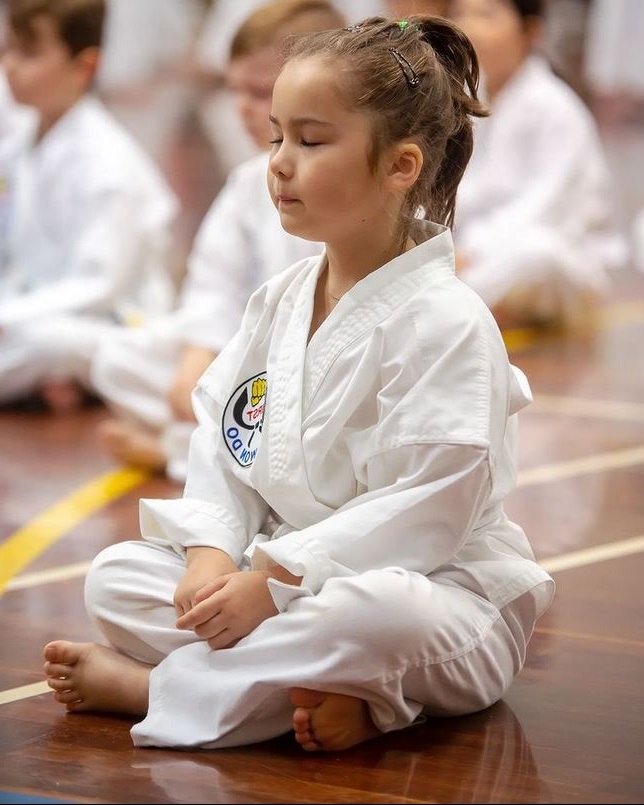
First Martial Arts training is not only an effective and efficient martial art in a self defence and physical-sense; our training also provides an excellent exercise for the mind – sharpening focus and improving concentration.

These two things are not only paramount in martial arts training, but are also essential life skills. By having strong mental discipline and refined concentration skills, we are able to focus on what our martial, personal and professional goals are; becoming better equipped to set and achieve realistic goals.


Kicking drills outdoors

This photo, taken recently at our Beechboro Dojang, highlights our commitment to students being well-versed in training on various surfaces, such as; grass, sand and paved areas – not just on the hard polished floors commonly found in the Dojang.This is due to the fact that a Self Defence situation may occur anywhere, at any time, and on any surface.